Mount Kilimanjaro National Park
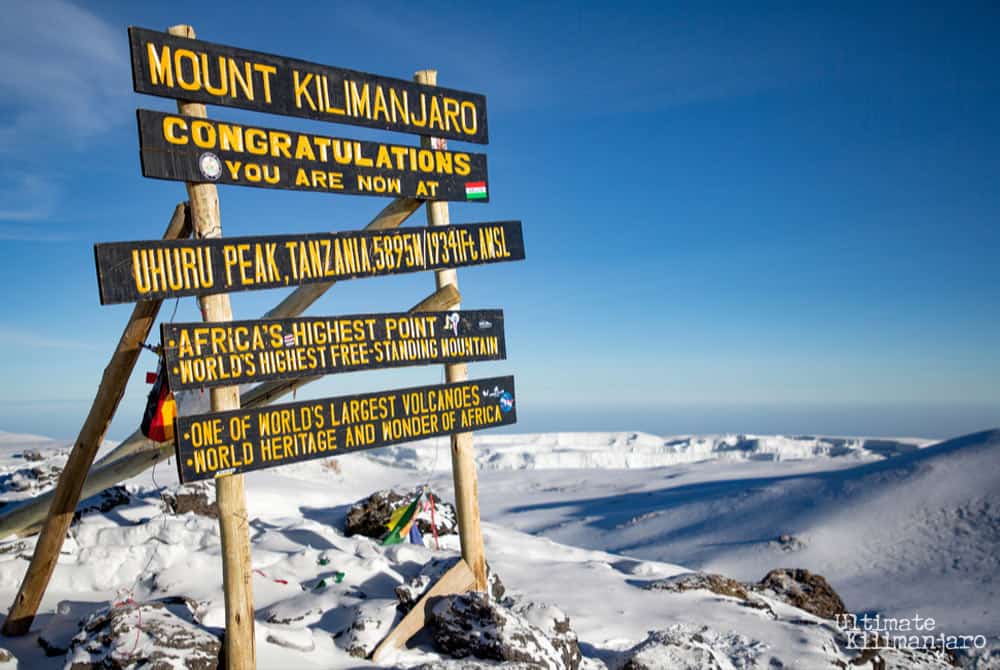
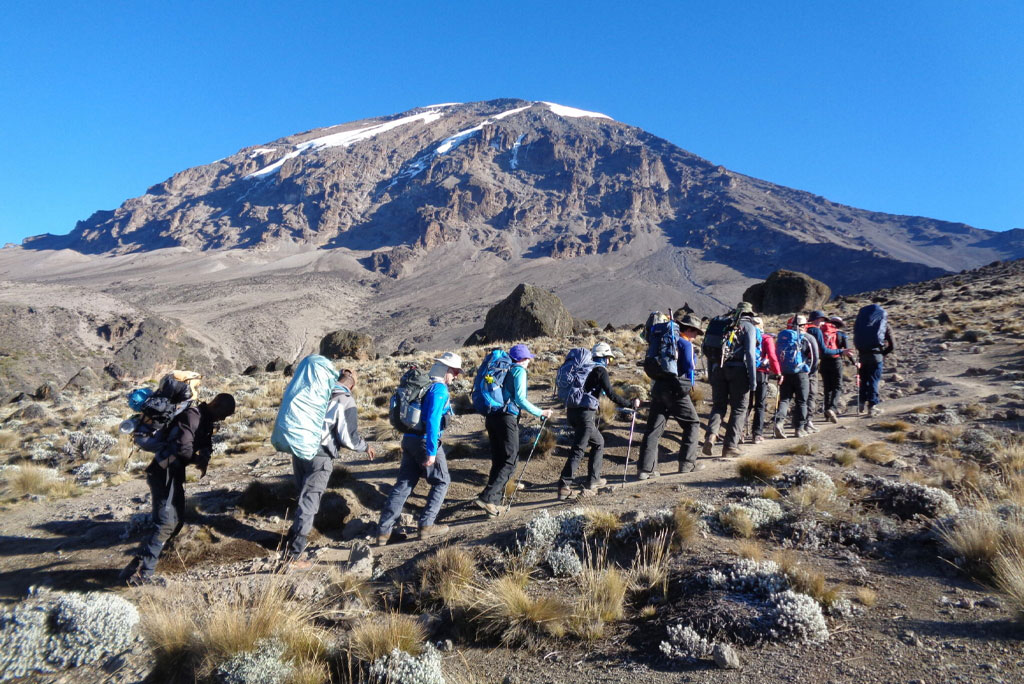
Dominating the northern Tanzanian landscape, Mount Kilimanjaro stands at 5,895 meters (19,341 feet) as Africa’s highest peak and one of the Seven Summits of the world. This UNESCO World Heritage Site is a symbol of Africa’s natural beauty and endurance. The snow-capped mountain rises dramatically from the surrounding plains, transitioning through five distinct ecological zones — from tropical rainforest to alpine desert and finally, the icy summit known as Uhuru Peak.
Kilimanjaro attracts thousands of climbers annually who seek the thrill of standing on the “Roof of Africa.” But even non-climbers can enjoy the park’s diverse ecosystems, rich birdlife, and scenic short hikes along its lower slopes. Guided treks pass through moss-covered trees, waterfalls, and viewpoints with breathtaking panoramas of the plains below.
What to See & Do:
Multi-day treks via Marangu, Machame, Lemosho, or Rongai routes.
Short nature walks on lower slopes and forest trails.
Cultural visits to Marangu village and Chagga museums.
Photography of glaciers and scenic landscapes.
Best Time to Visit:
January–March and June–October offer the best climbing conditions with clear skies. Avoid heavy rains in April–May.
Access & Logistics:
Located near Moshi town, about 45 km from Kilimanjaro International Airport (JRO). Park permits and certified guides are required for all treks.
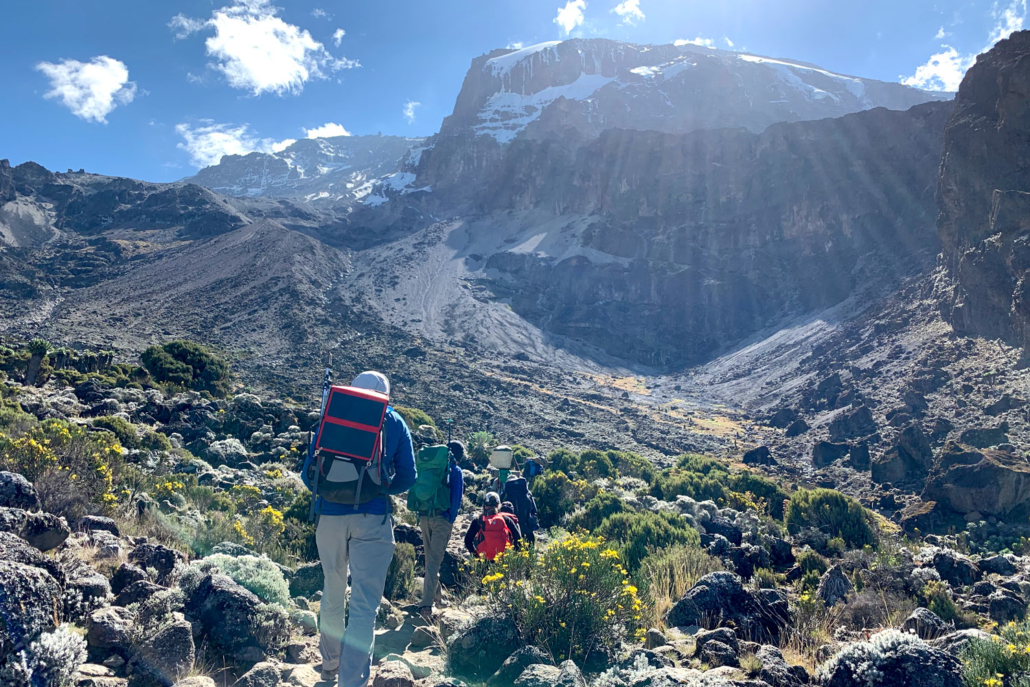
The 7-Day Kilimanjaro Lemosho Route Trek offers one of the most scenic and successful climbing experiences on Africa’s highest peak. This route provides excellent acclimatization...
Duration
7 Days
Availability:
- Jan
- Feb
- Mar
- Apr
- May
- Jun
- Jul
- Aug
- Sep
- Oct
- Nov
- Dec
The 7-Day Machame Route, also known as the Whiskey Route, offers one of the most beautiful and varied trekking experiences on Mount Kilimanjaro. This popular...
Duration
7 Days
$2,387
Next Departures
February 1, 2026 (Available)February 2, 2026 (Available)February 3, 2026 (Available)
Availability:
- Jan
- Feb
- Mar
- Apr
- May
- Jun
- Jul
- Aug
- Sep
- Oct
- Nov
- Dec
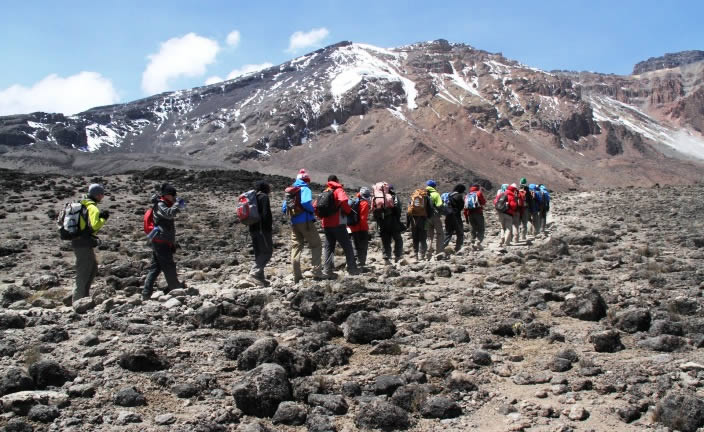
Climb the highest mountain in Africa, Kilimanjaro! The mountain is characterized by a dormant volcano which is expected to erupt in the coming decades. Besides...
Duration
7 Days
Availability:
- Jan
- Feb
- Mar
- Apr
- May
- Jun
- Jul
- Aug
- Sep
- Oct
- Nov
- Dec
The 7 Days Kilimanjaro Lemosho Route is an excellent choice for trekkers who want to experience the beauty of Kilimanjaro while maximizing their chance of...
Duration
5 Days
$1,595
Next Departures
February 1, 2026 (Available)February 2, 2026 (Available)February 3, 2026 (Available)
Availability:
- Jan
- Feb
- Mar
- Apr
- May
- Jun
- Jul
- Aug
- Sep
- Oct
- Nov
- Dec
