
Serengeti National Park
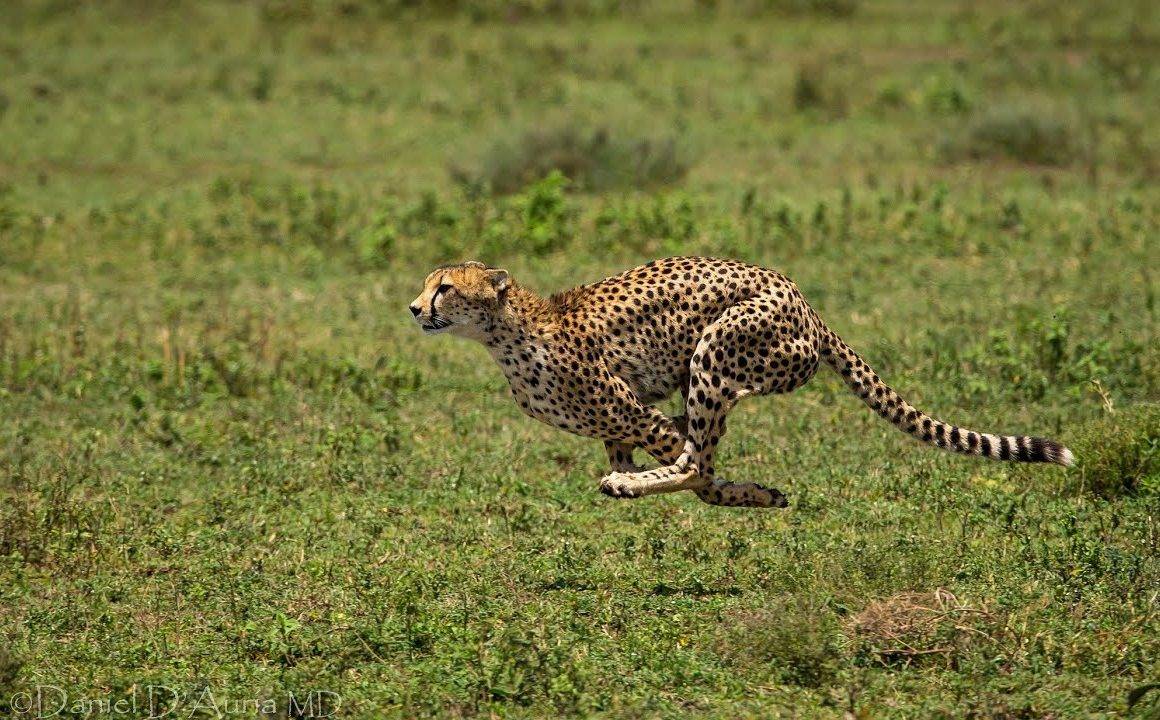
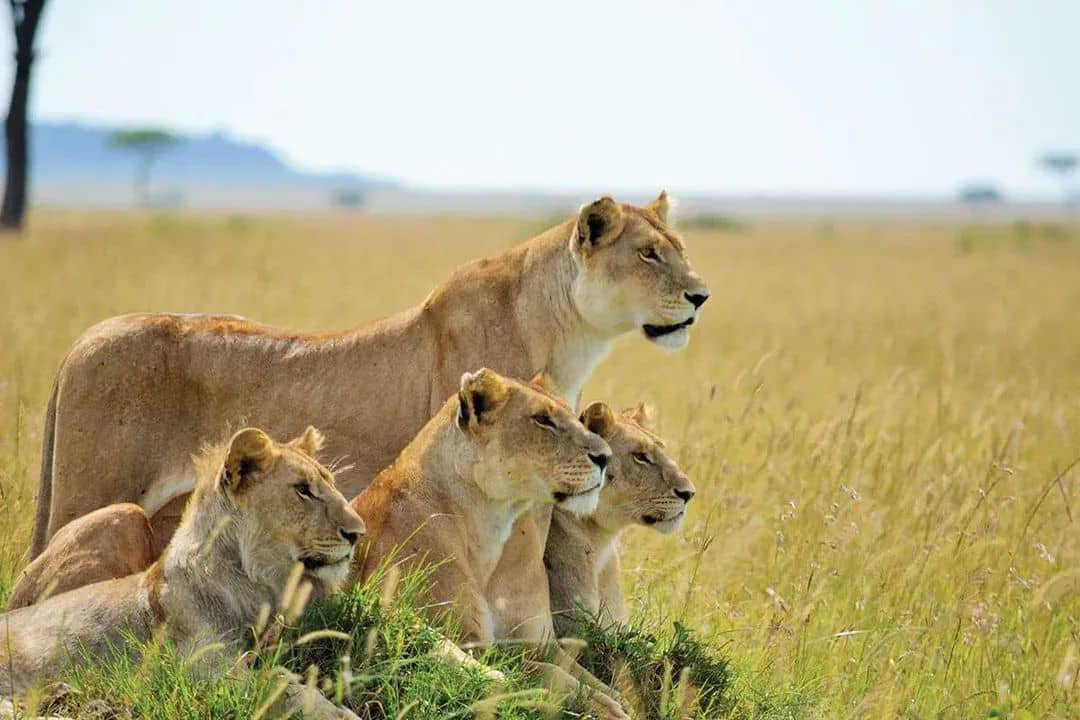
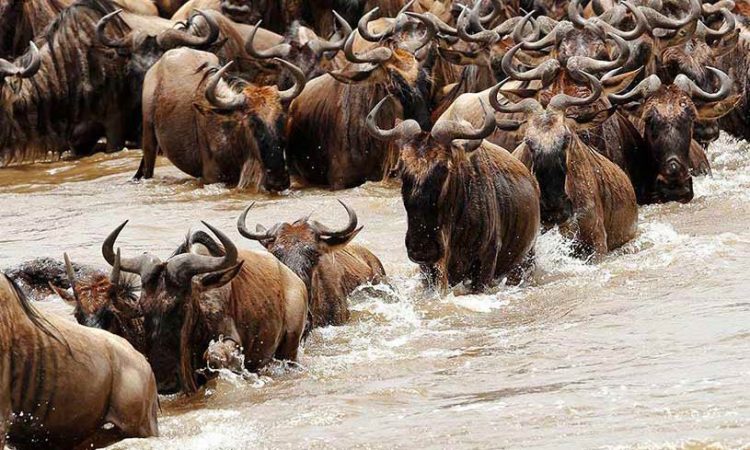
The Serengeti National Park is the crown jewel of African safaris — a UNESCO World Heritage Site and home to the legendary Great Wildebeest Migration, one of the most spectacular natural events on the planet. Each year, over 1.5 million wildebeest, zebras, and gazelles traverse the endless plains in search of fresh pasture, followed closely by predators such as lions, cheetahs, and hyenas.
Beyond the migration, the Serengeti’s beauty lies in its vast golden savannahs, acacia-dotted landscapes, and dramatic sunrises. Visitors are treated to unforgettable encounters with elephants, giraffes, leopards, and more than 500 bird species. The park is divided into distinct regions — the Central (Seronera) area for big cats, the Western Corridor for migration crossings, the Northern region for river crossings into Kenya’s Maasai Mara, and the Southern plains where calving season occurs.
What to See & Do:
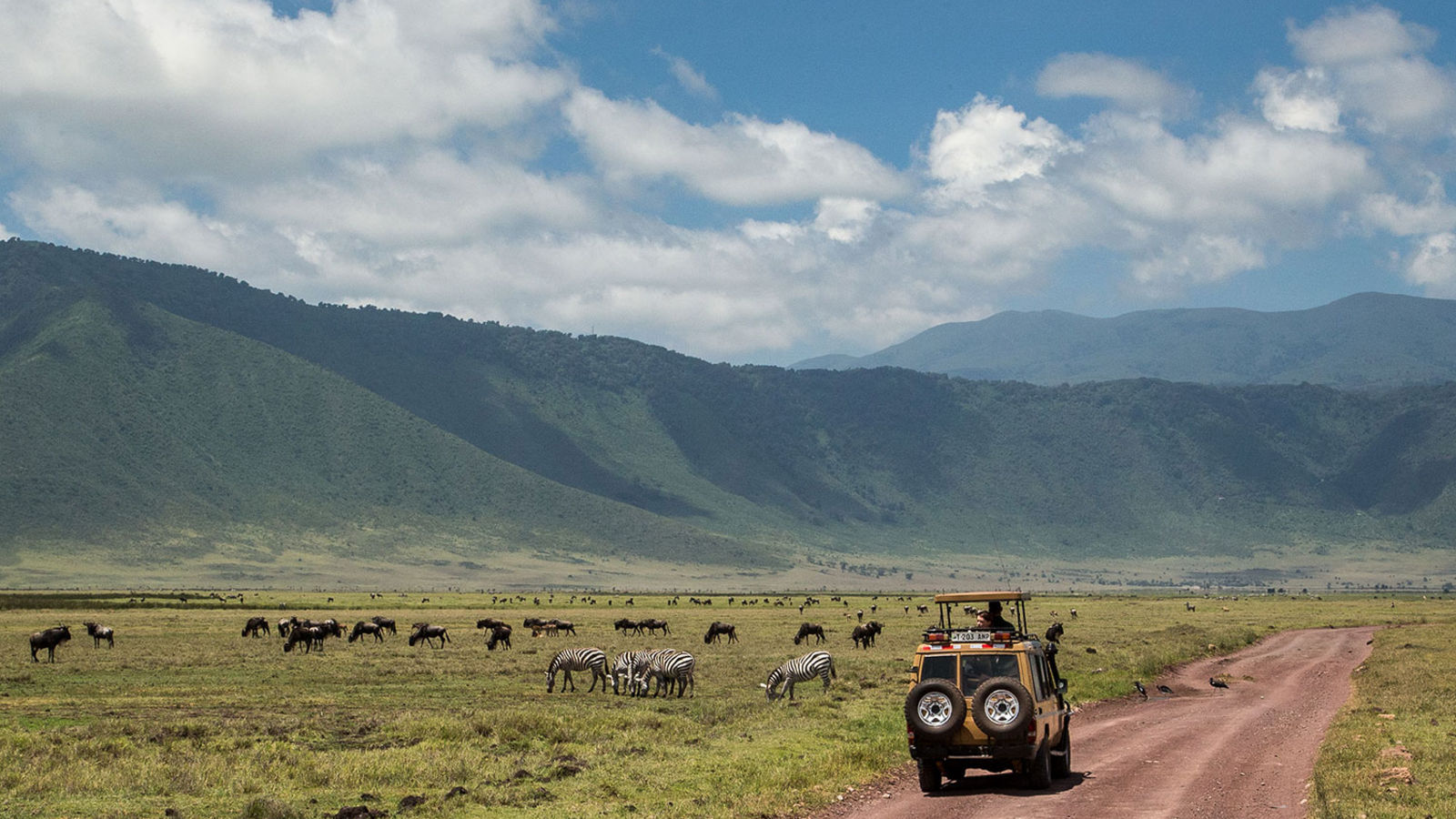
Game drives (morning, full-day, or evening).
Witness the Great Migration (depending on season).
Hot air balloon safaris at sunrise.
Visit Maasai villages for cultural experiences.
Wildlife photography and birdwatching.
Best Time to Visit:
Dec–Mar: Calving season in the Southern Serengeti.
Jun–Oct: Migration river crossings in the North and West.
The park is incredible year-round for big cats and general wildlife.
Access & Logistics:
About 6–7 hours’ drive from Arusha or 1-hour flight to Seronera Airstrip. 4×4 safari vehicles are required for park exploration.
Map
Embark on an unforgettable 4-day wildlife adventure with Kenrobs Africa through two of Tanzania’s most iconic safari destinations: Serengeti National Park and the Ngorongoro Crater...
Ngorongoro Crater, Serengeti National Park
1 Person
Duration
4 Days
Map
This 3-day safari offers an unforgettable luxury adventure through Tanzania’s most iconic parks. It takes you to the vast Serengeti National Park, where you'll enjoy...
Ngorongoro Crater, Serengeti National Park
1 Person
Duration
3 Days
Map
A 5-day safari to Ndutu during the calving season (January–March) offers a unique chance to witness the Great Migration's birthing period. This dramatic event attracts...
Ngorongoro Crater, Serengeti National Park
1 Person
Duration
5 Days
Map
This tour is the perfect for those who only have 4 days available and wish to visit the most famous national parks in Tanzania. This...
Duration
4 Days
Map
This 3-day safari offers an unforgettable adventure through Tanzania’s most iconic parks. It takes you to the vast Serengeti National Park, where you'll enjoy thrilling...
Ngorongoro Crater, Serengeti National Park
2 People
Duration
3 Days

This 3-day safari offers an unforgettable adventure through Tanzania’s most iconic parks. It takes you to the vast Serengeti National Park, where you'll enjoy thrilling...
Ngorongoro Crater, Serengeti National Park
1 Person
Duration
3 Days